The Shift: From "Patching" to "Healing"
For decades, the philosophy of dentistry was relatively simple: remove the decay and fill the hole. We used materials like silver amalgam or early composites that were designed to be inert—meaning they sat there, took up space, and tried not to react with your body. Their only job was to be a passive plug.
But as a dentist, I’ve always asked: What if a filling could do more? What if it could actually help the tooth repair itself?
That is no longer science fiction. We are currently witnessing a massive shift toward bioactive materials—specifically bioactive glass and ceramics. These are “smart” materials that don’t just fill a gap; they actively interact with your teeth to heal, strengthen, and protect them.
What Are Bioactive Materials?
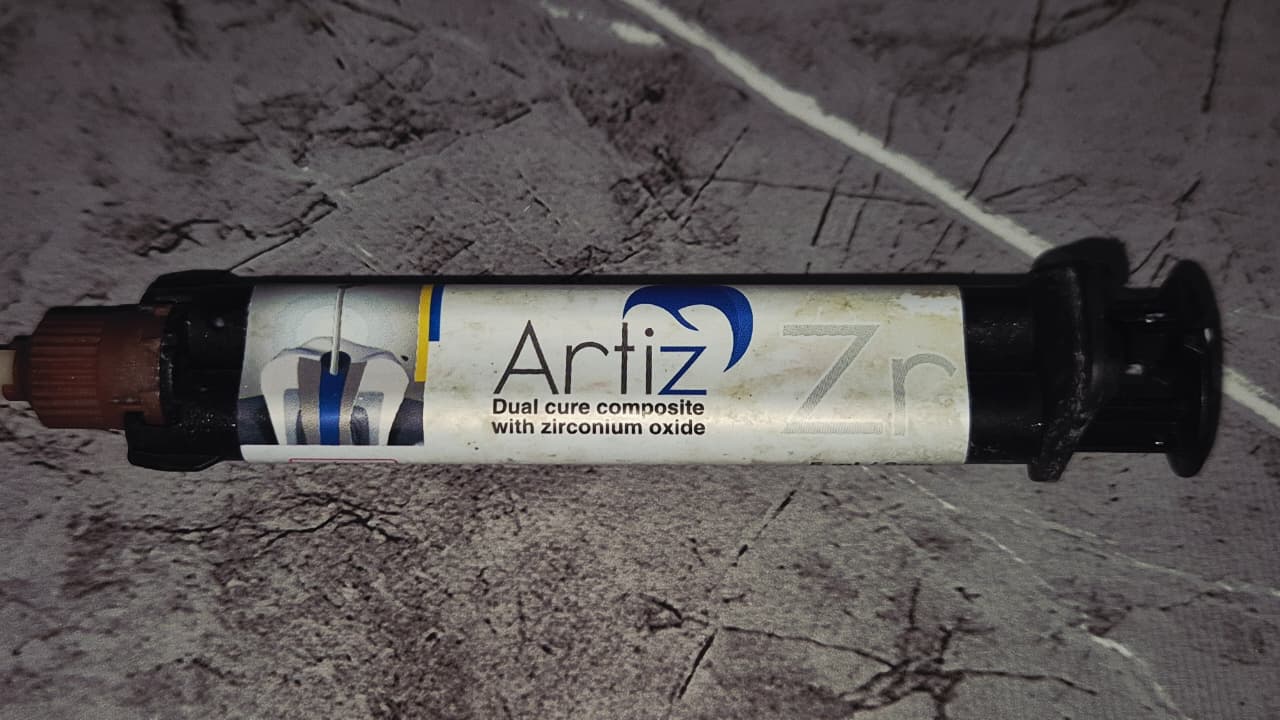
In simple terms, a material is “bioactive” if it elicits a positive biological response from the body. Instead of just sitting in a cavity, these next-gen materials release beneficial ions (like calcium, phosphate, and fluoride) that mimic nature’s own repair process.
Here is a look at the two heavy hitters changing the way I treat patients today.
1. Bioactive Glass: The Remineralization Powerhouse
Bioactive glass is a silicate-based material that dissolves at a microscopic level when it touches saliva or water.
- How it works: It reacts with your saliva to form a layer of hydroxyapatite—the exact same mineral your tooth enamel is made of.
- The “Seal” Effect: It physically seals the microscopic tubules in your dentin (the sensitive layer under your enamel).
- Why I love it: It stops sensitivity at the source and can actually reverse early-stage tooth decay by rebuilding the enamel surface.
2. Bioactive Ceramics: Strength Meets Biology
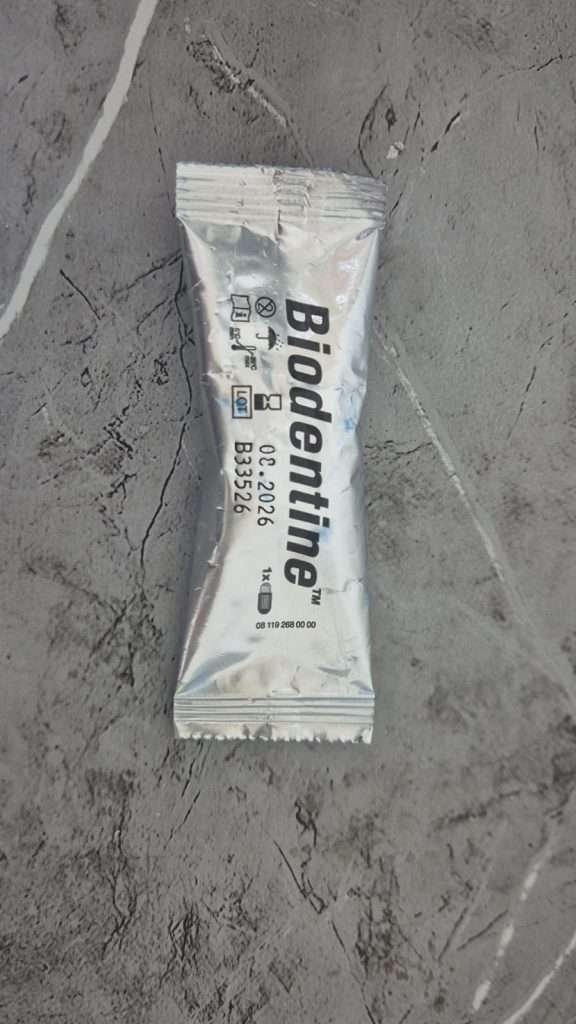
Ceramics (like Zirconia) have been used for crowns for a while because they are strong and look good. But bioactive ceramics go a step further.
- Biocompatibility: They are chemically similar to your bone and teeth, meaning your gums and bone are less likely to recede away from them.
- Osseointegration: In implants, these materials encourage the jawbone to grow onto the surface of the implant, locking it in place more securely than titanium alone.
The "Smart" Advantage: Why This Matters for You
You might be thinking, “That sounds great technically, but what does it mean for my appointment?” Here is the breakdown:
| Feature | Traditional Material (Old School) | Bioactive Material (Next-Gen) |
|---|---|---|
| Reaction | Passive (sits in the tooth) | Active (releases minerals) |
| Durability | Prone to "micro-leakage" (gaps forming over time) | Self-sealing (prevents gaps) |
| Bacteria | Bacteria can grow underneath | Antibacterial properties (high pH repels bacteria) |
| Result | Fixes the hole | Fixes the hole + Strengthens the tooth |
The Future is Nanotech
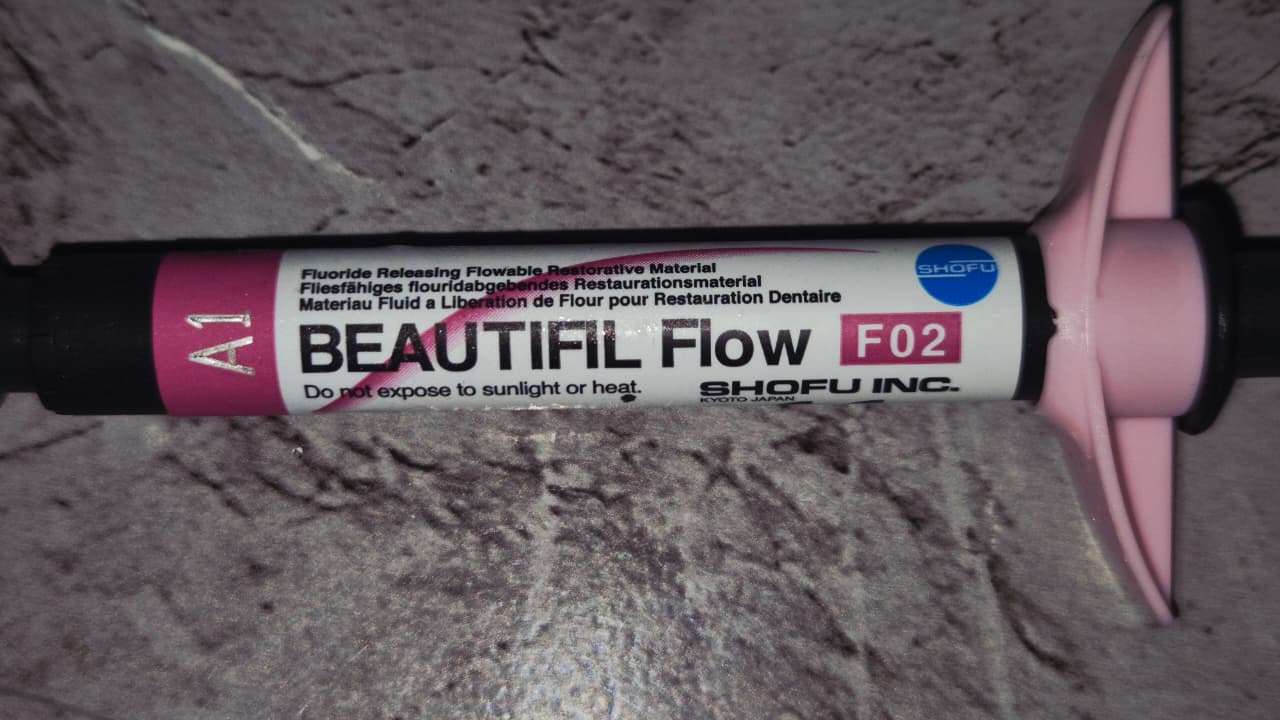
We are now seeing the rise of nanohybrid composites. These combine the aesthetic beauty of a polishable filling with the “smart” ion-release of bioactive glass.
This means I can give you a front-tooth filling that looks perfectly natural but is secretly fighting acid attacks every time you drink a soda. It is essentially a 24/7 defense system installed directly into your smile.
My Takeaway
The era of “drill and fill” is evolving into “heal and seal.” By using these bioactive materials, my goal isn’t just to fix the problem you came in with today—it’s to ensure that restoration protects you for decades to come.
If you have questions about the materials we use or want to replace old, failing silver fillings with bioactive alternatives, let’s talk during your next visit. Your teeth deserve the best technology has to offer.