Interceptive Therapy
Early-phase orthodontic guidance that works with your child’s growth, not against it.
Guides jaw growth early
Can reduce future treatment needs
Ideal for ages 6–10
- Phase 1 Advantage
Treating early can simplify or shorten orthodontic treatment later.
THE MODERN CHOICE
What is Interceptive Therapy?
Interceptive therapy — also called Phase 1 orthodontics — is early treatment aimed at guiding jaw growth and creating space for permanent teeth while a child’s mouth is still developing. It addresses issues like severe crowding, crossbites, and narrow arches before they become harder to correct.
By intervening during this active growth window, we can often prevent more complex problems, reducing the extent (or sometimes the need) for comprehensive braces treatment in the teenage years.
By intervening during this active growth window, we can often prevent more complex problems, reducing the extent (or sometimes the need) for comprehensive braces treatment in the teenage years.
- Age Range
6–10 years (mixed dentition)
- Addresses
Crossbites, crowding, narrow arches
- Goal
Simplify or reduce future treatment
Four Steps to Guided Growth
01
Growth Evaluation
We assess jaw development and identify issues best treated during growth years.
02
Treatment Planning
A targeted plan addresses the specific growth or spacing issue identified.
03
Active Guidance
Appliances or aligners gently guide jaw and tooth development over several months.
04
Growth Monitoring
We continue monitoring through the remaining growth years to plan any future Phase 2 treatment.
Frequently Asked Questions
What is the difference between Phase 1 and Phase 2 orthodontics?
Phase 1 (interceptive) treatment guides jaw growth and creates space in younger children. Phase 2 involves full braces or aligners once all permanent teeth have erupted, if still needed.
Will my child still need braces after interceptive therapy?
Some children need a shorter Phase 2 treatment later; others may need minimal or no further treatment. We’ll monitor growth and advise accordingly.
At what age should interceptive therapy begin?
Most cases are best addressed between ages 6 and 10, while the jaw is still actively developing.
Is interceptive therapy the same as Invisalign for Kids?
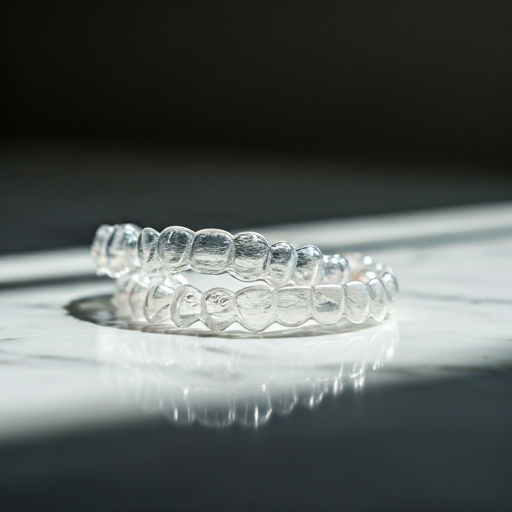
Invisalign First is one tool used within interceptive therapy. Depending on the case, other appliances like expanders may also be used.
How do I know if my child needs an early evaluation?
If you notice crowding, crossbites, thumb-sucking beyond age 5, or early loss of baby teeth, it’s worth scheduling a growth evaluation.
Guide your child's growth in the right direction
Book an early evaluation to see if interceptive therapy can benefit your child.
Explore Related Treatments
Metal & Ceramic Braces
Traditional precision for complex alignment needs.
Pediatric Dentistry
Comprehensive oral care for infants and toddlers.
Myofunctional Therapy
Correcting habits to improve facial development.
Adult Invisalign
The clear alternative to braces for working professionals.
Aligners & Braces
Straighten your teeth with modern orthodontic solutions
Cosmetic Dentistry
Transform your smile with aesthetic dental procedures
Repair, Replace & Restore
Complete dental restoration services for all needs