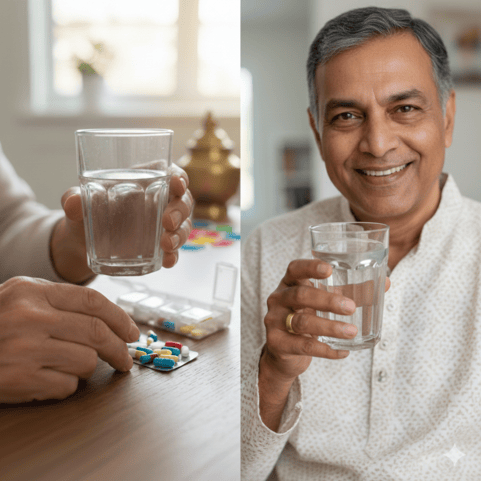
As Bangalore’s senior population continues to grow, geriatric care providers and families are increasingly facing complex health challenges. One of the most common yet under-recognized oral health conditions affecting older adults in Bangalore, Karnataka is xerostomia, or chronic dry mouth. While aging itself is not the direct cause, polypharmacy—the long-term use of multiple medications—is a leading contributor among seniors receiving medical care across Bangalore.
From a geriatric dental care perspective in Bangalore, dry mouth is far more than an oral discomfort. It significantly increases the risk of tooth decay, gum disease, infections, and nutritional compromise in older adults.
Understanding Polypharmacy in Bangalore’s Geriatric Population
Polypharmacy is particularly prevalent among seniors in Bangalore due to the rising incidence of chronic conditions such as:
- Hypertension and heart disease
- Diabetes (highly prevalent in Karnataka)
- Neurological disorders
- Depression and anxiety
- Arthritis and chronic pain
- Parkinson’s and Alzheimer’s disease
Many older adults in Bangalore take five or more medications daily, often prescribed by multiple specialists. While these medications are essential, their combined side effects frequently reduce salivary flow, creating significant oral health risks.
Why Saliva Is Essential for Oral Health in Seniors
Saliva acts as the body’s natural defense system for the mouth. In healthy older adults, it:
- Neutralizes harmful acids
- Washes away bacteria and food debris
- Protects tooth enamel
- Aids chewing, swallowing, and speech
In seniors across Bangalore, reduced saliva leaves teeth unprotected, accelerating dental decay and increasing the likelihood of oral infections.
How Multiple Medications Cause Dry Mouth in Older Adults
Many commonly prescribed medications in geriatric care settings in Bangalore have anticholinergic effects, which interfere with salivary gland function. When multiple such medications are taken together, the risk of xerostomia rises sharply.
Common Medication Categories Linked to Dry Mouth
From a geriatric care and dental standpoint in Bangalore, frequent causes include:
- Blood pressure medications
- Diuretics
- Antidepressants and anti-anxiety drugs
- Antihistamines
- Parkinson’s and dementia medications
- Pain medications
- Sleep aids
The cumulative effect of these medications is often severe dry mouth, particularly in older adults with existing medical conditions.
Xerostomia and Accelerated Tooth Decay in Seniors
Dry mouth dramatically increases the risk of rapid dental decay, especially among elderly patients in Bangalore.
Why Seniors Are at Higher Risk
- Gum recession exposing tooth roots
- Weakened enamel
- Difficulty maintaining oral hygiene
- Reduced access to regular dental care
- Increased intake of soft or sugary foods
Without saliva’s protective effects, seniors may experience root caries, recurrent decay, and early tooth loss, sometimes progressing without noticeable pain.
Impact on Nutrition, Comfort, and Quality of Life
In geriatric care environments across Bangalore, xerostomia often leads to:
- Difficulty chewing traditional Indian foods
- Swallowing discomfort
- Altered taste sensation
- Poor appetite and weight loss
- Increased risk of oral infections
These issues can worsen frailty and negatively affect overall health and independence
Recognizing Dry Mouth in Geriatric Patients
Many seniors in Bangalore do not report dry mouth unless specifically asked. Caregivers and healthcare professionals should look for:
- Constant sipping of water
- Cracked lips or tongue
- Difficulty wearing dentures
- Burning mouth sensation
- Sudden increase in cavities
Routine dental checkups and medication reviews are essential for early detection.
Managing Xerostomia: A Geriatric Dental Care Approach in Bangalore
1. Medication Review and Coordination
A collaborative approach between dentists, physicians, and caregivers in Bangalore is critical. Medication reviews can help:
- Identify drugs contributing to dry mouth
- Adjust dosages where possible
- Explore alternative medications
2. Lifestyle and Saliva-Stimulating Measures
Simple steps can provide relief:
- Frequent hydration
- Sugar-free chewing gum
- Avoiding tobacco, alcohol, and excessive caffeine
- Using humidifiers at night
3. Professional Dental Interventions
Dentists providing geriatric dental care in Bangalore may recommend:
- Saliva substitutes
- Prescription fluoride toothpaste
- In-office fluoride applications
- Protective dental sealants where appropriate
4. Preventive Dental Care for Seniors in Bangalore
Preventive strategies include:
- More frequent dental cleanings
- High-fluoride oral care products
- Modified toothbrushes for limited dexterity
- Caregiver-assisted oral hygiene when needed
The Role of Caregivers and Family Members
In Bangalore’s home care and assisted living settings, caregivers play a vital role in:
- Monitoring hydration
- Assisting with oral hygiene
- Identifying early symptoms
- Ensuring regular dental visits
Education and awareness can prevent serious dental complications.
FAQs: Dry Mouth and Geriatric Dental Care in Bangalore
- Is dry mouth common in seniors in Bangalore?
Yes. Dry mouth is common due to polypharmacy and chronic conditions prevalent among older adults in Bangalore.
- Can dry mouth cause tooth loss?
Yes. Without saliva, tooth decay progresses faster, increasing the risk of tooth loss.
- Should seniors in Bangalore see a dentist for dry mouth?
Absolutely. A dentist can help prevent decay and recommend treatments to manage xerostomia.
- Can medications be changed to reduce dry mouth?
In many cases, physicians can adjust medications to reduce side effects.
- Are saliva substitutes effective?
Yes, especially when combined with fluoride protection.
- How often should seniors get dental checkups?
At least twice a year, or more frequently for those with dry mouth.
Conclusion
Xerostomia caused by polypharmacy is a growing concern among seniors in Bangalore, Karnataka. It is not an inevitable part of aging, but a manageable condition when addressed early through coordinated geriatric and dental care. By recognizing dry mouth as a serious health issue, families and healthcare providers can help seniors maintain oral comfort, nutrition, and overall well-being.